Tracy Falbe, one of my writer friends at the Magic Appreciation Tour, wrote an interesting article on the Digital Book Today blog. The post is titled “Are We Enjoying a Golden Age of Reader Rewards?”
Her post and some of the comments that followed got me thinking about how my own buying habits have changed and how they’ve remained the same in the transition from print to digital reading. One of the commenters lamented the flood of unedited and otherwise poor-quality work that has been released directly into the marketplace. The slush pile has effectively moved directly onto the retail sites. But is that really such a bad thing? Has it changed the way readers buy books? I say no.
Slush Pile? What Slush Pile?
I believe readers have all the tools they need to make an informed buying decision. There’s no reason for a reader to spend money or waste time on a dud book. Readers have descriptions, reviews, and excerpts to help them decide whether or not a book is right for them. Some readers even use price as a filter, although I personally find that metric unreliable.
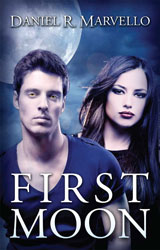
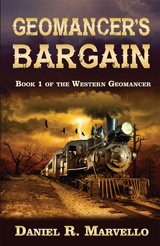
Back before online buying, I did not use reviews to make a purchasing decision. I don’t use them now either. I buy books the same way I always have: the cover catches my eye, I read the description to see if it sounds like a story I’d like to read, and I check out the excerpt to see if I like the author’s style.
I agree that the market has been flooded with a lot of books of questionable quality. I also applaud the fact that great stories are no longer being overlooked or held back by the marketing department of a gatekeeping organization. I’ve read plenty of bestsellers, both pre-Kindle and now, that I thought were terrible. But taste is a subjective thing and I don’t begrudge other readers the joy they got out of reading that same book.
Yes, the slush pile has moved into the bookstore. I’m fine with that. For the most part, I never come in contact with the worst duds. Most retailers give promotional weight to the books that are the highest rated and the best selling. If your tastes tend to run with the majority, that’s a great thing. If not, it’s kind of a bummer. Regardless, readers do not have to sift through the slush pile. They actually have to make an effort to find the least popular books.
The Bounty of Free
KDP Select and other “price matching” tricks have created plenty of opportunities for readers to get their hands on free e-books. Although it’s true that in the past you rarely could get free versions of first-release print books, free books are not unique to the digital revolution.
The bounty of free has existed since books have been mass-produced. It was possible to get free and bargain books even in “the old days.” When the cover price for paperbacks went above $5 (yes, that was a long time ago), I pretty much stopped buying new books except on rare occasions (read: mega sale). I started shopping in used bookstores and at library book sales. I checked books out of the library. Sure, I never could get my hands on that hot new bestseller everyone was talking about, but I’m patient. I knew I’d get it eventually.
Tracy mentioned that authors are offering all kinds of free goodies and doing giveaways to get attention for their books. I agree we may be seeing more of that promotional “largess” (to use her word) in the current market. However, I think the increase in giveaways is more about authors promoting their low-margin product in a highly competitive marketplace than it is about the move to digital reading.
The Changes are Mostly Good
My shopping patterns haven’t changed much. I pick up free e-books and I love the low prices of most e-books today. I still won’t spend more than $5 on a book, so once again, the newest bestsellers are generally out of my reach. I don’t care. I have plenty of other material to choose from, and the self-published books I’ve read continue to impress me.
One thing that has changed is that a lot of the works I’ve found would have never seen the light of day if they had to go through a bestseller-minded gatekeeper. I wonder how many wonderful stories the world has lost out on because the author gave up before he or she found the right agent or publisher? I suspect the answer is many thousands. Possibly millions. Writers publish something like 50,000 titles per month through KDP. Imagine the pent up supply of books that figure represents, and how many stories from past writers have been lost forever.
For me, the only sad thing is that there is no “aftermarket” for used e-books. That may change because Amazon has registered a patent on a mechanism for reselling “used” e-books. Meanwhile, libraries and the publishers who supply them are still trying to figure out what e-books mean to them.
I have faith that those issues will be ironed out. In the meantime, I’m a happy camper because I have more great stories to choose from than ever.